Why ranchers, the ski industry and Western Slope governments are paying close attention to Boulder’s climate lawsuit before the U.S. Supreme Court
Suncor v. Boulder began on the Front Range, but would have ripple effects across Colorado’s Western Slope

Scott Franz/Steamboat Pilot & Today
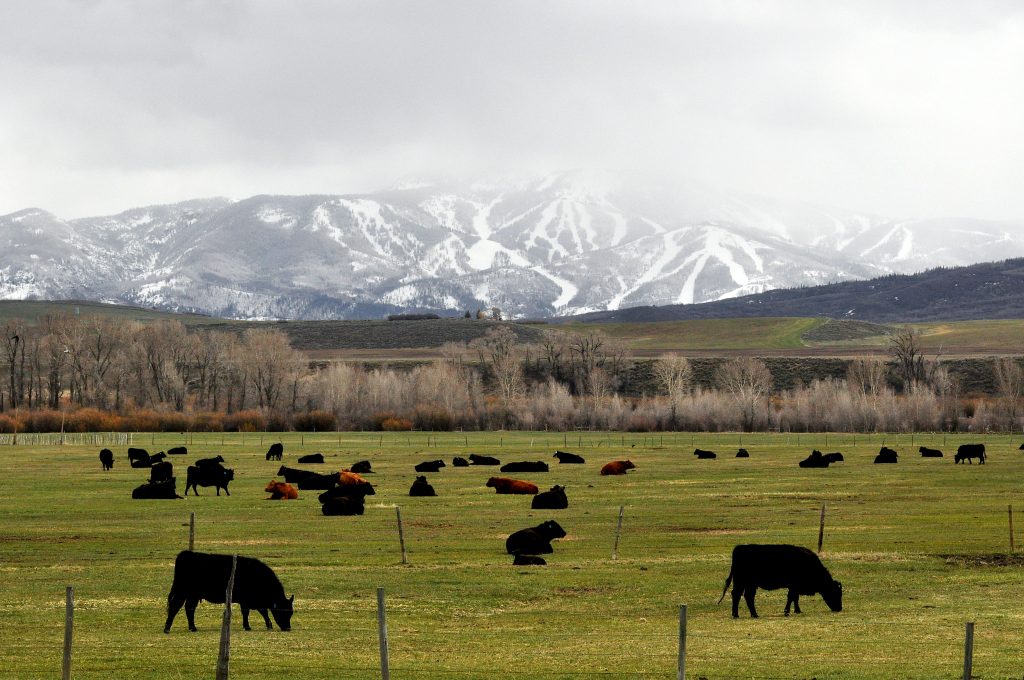
As the U.S. Supreme Court heard oral arguments in the major climate lawsuit Suncor v. Boulder earlier this month, Western Slope rancher Kathryn Bedell prepared to sell off the last of her cattle herd.
Bedell, a retired large animal veterinarian who has spent three decades grazing herds of up to 200 cattle in Mesa, Delta, Montrose and Grand counties, said amid the widespread drought on Colorado’s Western Slope, ranching just didn’t make economic sense anymore. She said it would’ve cost her two years’ worth of profits to keep the herd alive this winter — in part because the price of hay increased significantly due to the drought.
“When we had last winter, when we didn’t get any precipitation — I knew it was going to be hard,” Bedell said. “So, I put a deadline on myself, because the last thing you want to do when you have that many animals is not be able to feed them. I mean that’s horrifying — to have your animals go hungry.”
Bedell is one of seven Colorado ranchers who helped write an “amicus brief” to the U.S. Supreme Court weighing in on Suncor v. Boulder. These “friend of the court” briefs allow those who are not direct parties to a lawsuit to provide input or perspective that U.S. Supreme Court justices may take into consideration.
Though the lawsuit began on the Front Range, the outcome of Suncor v. Boulder will have ripple effects across Colorado’s Western Slope as the U.S. Supreme Court determines whether the case is allowed to move forward toward trial.
“For Colorado ranchers, climate change is not an abstract possibility, but a lived reality that is threatening the economic viability of a way of life that has been central to communities for generations,” the ranchers wrote in the brief.
Governments in northwest Colorado, including Grand, Garfield, Rio Blanco, Montezuma, Montrose, Delta and Archuleta counties, have also penned an amicus brief — but in support of the oil and gas producers. These local governments wrote that their tax bases and economies “depend substantially on energy production and related industries” and that “the potential impacts of this litigation on these counties are staggering.”
Colorado’s outdoor tourism industry is also paying close attention to Suncor v. Boulder.
Hannah Berman, Aspen One’s senior sustainability and philanthropy director, represented the ski resort and hotel company at a rally in Boulder on Oct. 5, the same day the U.S. Supreme Court heard oral arguments in the case. Berman said the ski industry has seen direct impacts of climate change, including drier weather, shorter seasons and record-breaking heat — all of which Colorado experienced over the past year.
“We are a business that has seen lots of impacts due to climate change — across our operations,” Berman said. “It’s no surprise that Colorado’s ski industry was down last year. I think it helped people understand the connection between outdoor recreation and skiing and climate change.”
Suncor v. Boulder
The case now before the U.S. Supreme Court began in 2018, when Boulder sued Suncor Energy Inc. and ExxonMobil in state court.
The lawsuit claims the two companies knew their fossil fuel products were contributing to climate change but for years deceived the public about the impacts — resulting in increased costs for local governments that have had to respond to the impacts of climate change, including warming temperatures and worsening disasters like wildfires.
“The case centers on this question: Who should bear the rising costs of climate impacts on Colorado?” Boulder County explains on its website. “Right now, families and taxpayers are paying the price for the climate impacts we are facing, but they shouldn’t shoulder the burden of those costs alone.”
Over the years, the court case has worked its way through the Colorado court system and survived multiple attempts by the oil companies to dismiss it. In May 2025, the Colorado Supreme Court ruled 5-2 that the city and county of Boulder could move forward with the lawsuit.
Suncor and ExxonMobil then appealed the case to the U.S. Supreme Court in August 2025, expressing a need for the nation’s highest court to review the case.
“This case provides the (U.S. Supreme Court) with its best opportunity yet to resolve one of the most important questions currently pending in the lower courts,” the companies wrote in a writ of certiorari. “Energy companies that produce and sell fossil fuels are facing numerous lawsuits in state courts across the nation seeking billions of dollars in damages for injuries allegedly caused by the contribution of greenhouse-gas emissions to global climate change.”
The appeal asks the Supreme Court to block the lawsuit from moving forward, arguing that only federal law — and not state law — can regulate greenhouse gas emissions.
Lawyers representing both sides of Suncor v. Boulder argued before eight of the nine U.S. Supreme Court justices in Washington, D.C. on Oct. 5. Justice Samuel Alito recused himself from the case just a week before oral arguments without citing a reason, though Alito has previously faced scrutiny for holding stock in oil and gas companies.
A 4-4 split by the U.S. Supreme Court would uphold the Colorado Supreme Court’s decision to let the case advance.
A ruling by the U.S. Supreme Court isn’t expected for months.
Ranchers push back on Western Slope governments
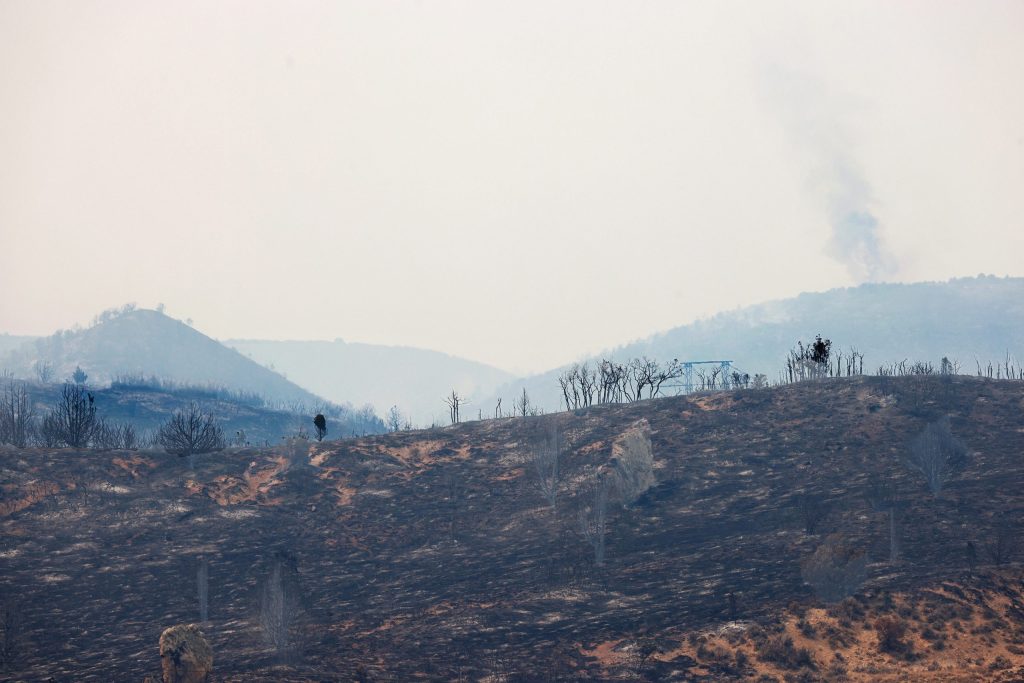
When the Lee Fire — the fifth largest fire in Colorado’s history — tore across Rio Blanco County last summer, Kathleen Sullivan Kelley remembers the stress of evacuating cattle and horses off the ranch that her family has owned for three generations.
Kelley — who is among the ranchers who signed the amicus brief supporting Boulder’s stance — had sold her own cattle off a decade earlier, when the stream that brought water to her ranch began drying up most summers, but a neighbor still grazed their cattle there. Still, between wildfires and water shortages, she said climate change threatens “our Western lifestyle.”
“You look at the West right now; there’s just such a collision of major issues — and you realize that all of those major issues seem to converge around one point, and that’s climate change,” Kelley said. “The lack of flow in the Colorado River. The drying up of all the tributaries. What has been called a drought for the last 30-35 years. Everything relates to the gradual warming and de-watering of the West.”
Kelley said that she felt it was important to weigh in on Suncor v. Boulder in part because of the amicus brief submitted by counties, including Rio Blanco County, supporting the oil and gas industry.
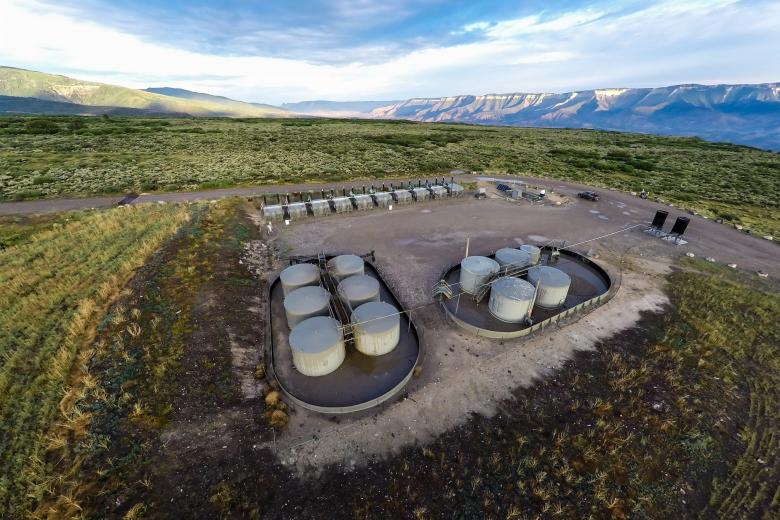
The Western Slope counties wrote in their amicus brief that the city and county of Boulder “seek to impose their energy policy preferences not only across the nation and the globe, but also upon sister counties in the state of Colorado.” The brief states the Front Range litigants “do not speak” for governments on the Western Slope, noting that Garfield County sits atop the second-largest producible shale basin in North America and Rio Blanco County produced more than 3.2 million barrels of oil last year.
Mining and energy production benefit the Western Slope, the counties’ brief states. It raises concerns that Suncor v. Boulder could “discourage continued domestic energy production and investment, threatening these counties’ rural economies and their ability to fund roads, schools, emergency services and other critical public functions.”
The Colorado ranchers’ amicus brief responds to the Western Slope counties, notifying the U.S. Supreme Court that these governments do not speak for all their residents — some of whom have an interest in addressing climate change.
“We’re not looking for money from the energy companies. We know that’s not going to solve the problem,” Bedell said. “What we want to do is make them come to the table and find solutions because we believe food supply is in jeopardy in certain areas of the country — and we can’t go down that path. It makes us so insecure if we can’t grow our own food.”
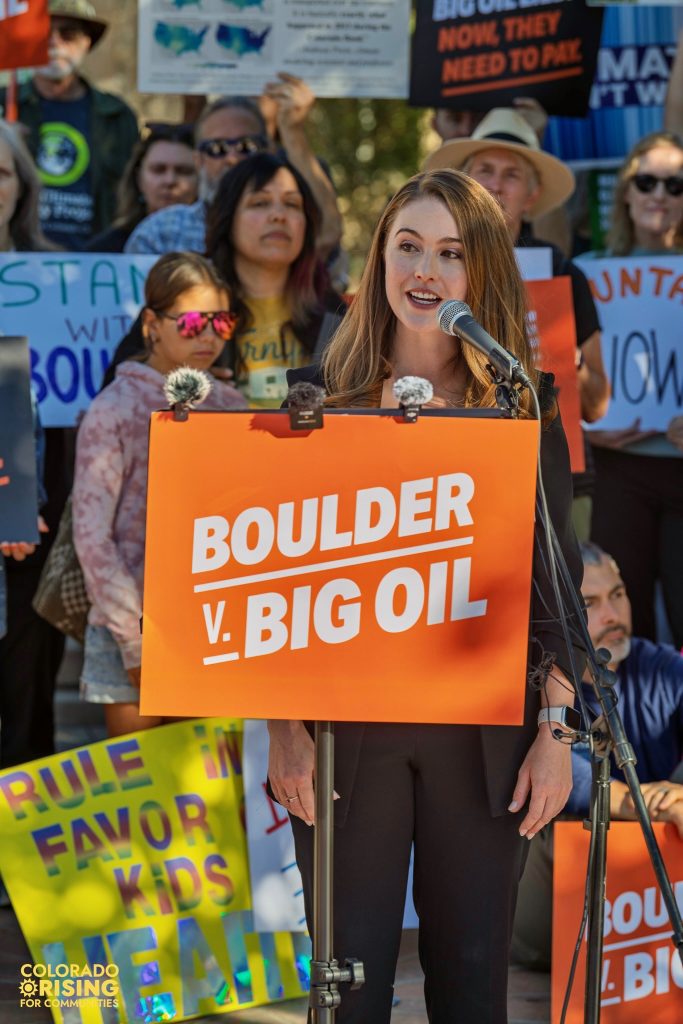
Aspen One advocates for ski industry concerns
Berman, Aspen One’s sustainability director, said that she believes it’s important for individuals and industries impacted by climate change to speak up.
“Our whole philosophy is that businesses should be a part of the climate movement,” she said. “There’s this whole history of fossil fuel companies trying to seed information that it’s on individuals to solve the climate crisis — and our stance has always been that individuals can play a role, but the most meaningful thing that individuals and companies can do on climate is often advocacy.”
To understand how climate change is impacting the ski industry, Berman said Coloradans only have to look back to last winter, which was the hottest on record in Colorado and also featured the worst snowpack in the state’s history. Climate change means shorter winters, warmer weather and worsening drought that can stymie snowmaking and increase wildfire risk, she said, adding that the ski industry and mountain towns end up picking up the costs of responding to these climate impacts.
Berman said that the oil and gas giants like Suncor and ExxonMobil have known for decades that greenhouse gas emissions from fossil fuels are driving global warming and climate change, but hid those facts from the public. In her eyes, there needs to be accountability when one industry is “raking in profits” while doing harm to local communities.
“Fossil fuel companies have obviously played a role in climate change. We’re certainly paying attention to what happens,” Berman said. “We were there to make sure that Boulder has its day in court and they can at least have a trial and have things proceed.”
Pitkin County judge finds ‘probable cause’ to proceed with kidnapping case
A Pitkin County judge found probable cause to proceed on two counts facing Nathan Keen, one of two defendants who allegedly kidnapped and assaulted a young woman in July 2025, at a preliminary hearing Wednesday.



‘Extremely close call’: Early-season avalanche on Colorado 14er buries skier’s head
A skier was partially buried after setting off one of the first human-triggered avalanches of the winter season on a Colorado 14er.